
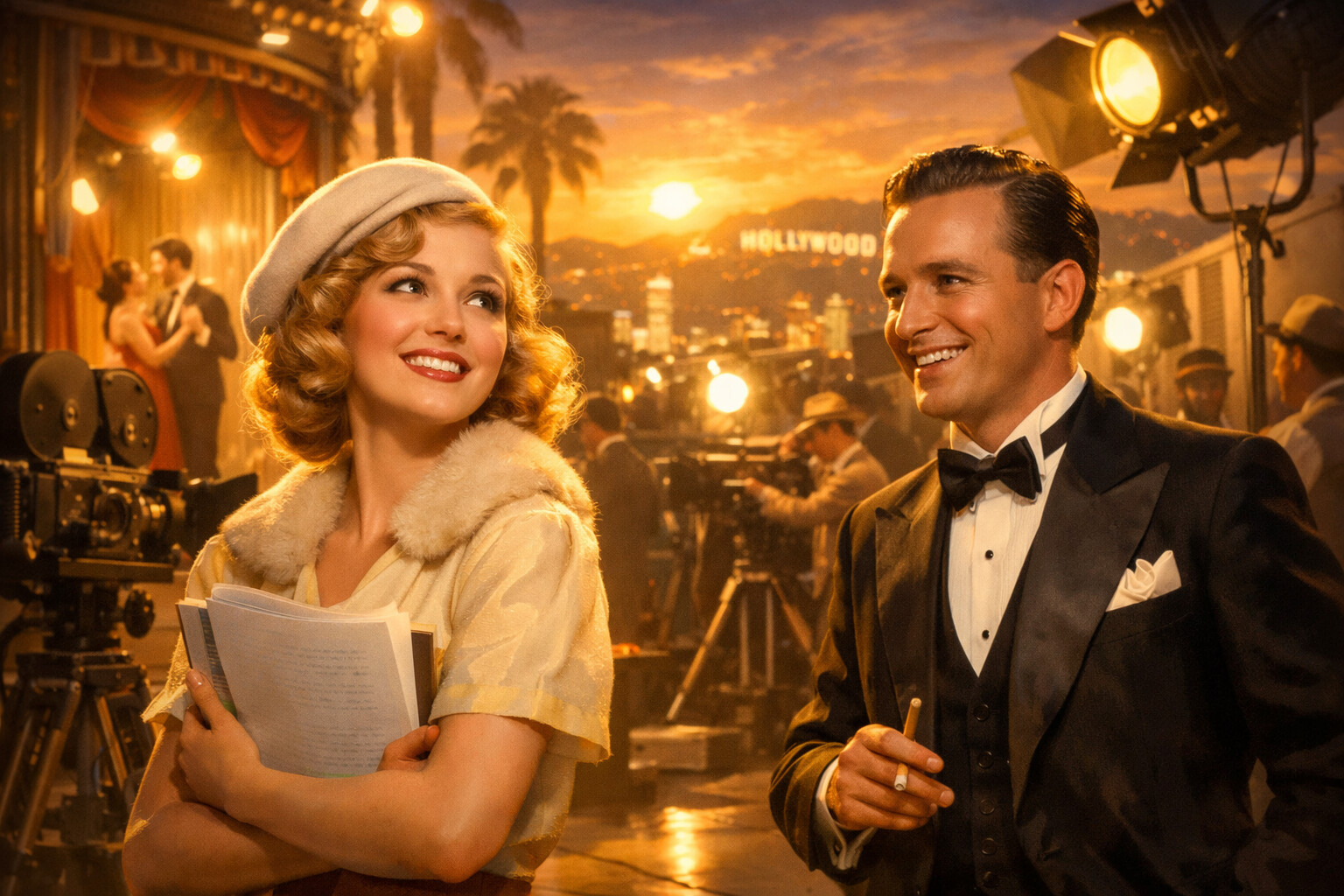
When we look back at the early 1930s the film industry was still discovering its flow actually. When trends in Hollywood movies changed and modern films began to replace silent movies, a sense of restlessness grew among moviegoers. To resolve this restlessness Going Hollywood 1933 emerged. It features an excellent blend of romance and music. It brings to life the dream of achieving a great status in a bright city like Los Angeles.
While many films from this erageneration feel like treasures this particular MGM gem maintains a breezy, modern energy. It isn’t just a backstage musical; it’s a magical love letter to the era’s emerging celebrity culture wrapped in a blanket of Pre Code elegance.
Going Hollywood 1933 A Journey of Ambition and Art
The heart of Going Hollywood 1933 lies in the simple, if lightly impressive journey of Sylvia Bruce. Represented with a playful truthfulness by Marion Davies, Sylvia is a teacher who decides to give up the instructional board for the chance to follow her idol a famous crooner across the country.
The storyline explores the thin line between dedication and inspiration. As Sylvia navigates the chaotic world of film production we see a clever breakdown of the star making machine. The film touches on themes of identity and the sacrifices made for art but it never loses its easygoing touch. The romance is central yet it’s the ambition of a dream that gives the movie its perspective framework.
The Magic of the Lead Duo
What truly improves Going Hollywood 1933 is the unquestionable chemistry between its leads. Bing Crosby in one of his most signature early roles brings a relaxed effortless charisma to the screen. His character Bill Williams represents the generation’s ideal of a romantic lead talented slightly flawed but eventually charming.
Crosby’s music puts the imagery before the audience so they can take their time enjoying all of the gorgeous colors that helped him become famous. Marion Davies shows she wasn’t simply a pretty face; she had exceptional comedy skills. The rapid transition from starry-eyed idealism to being a woman of influence makes the film very real, even with the imposing beauty of the film’s settings.
Visual Style and Rhythmic Soul
The Raoul Walsh-directed feature film has stunning visual sophistication, a trademark of MGM studios from the early part of the 20th century. The cinematography serves to illustrate the contrast betweenSylvia’s once mundane existence before moving to Hollywood and the dazzling, ultra-contrasting world she finds herself immersed in while on set.
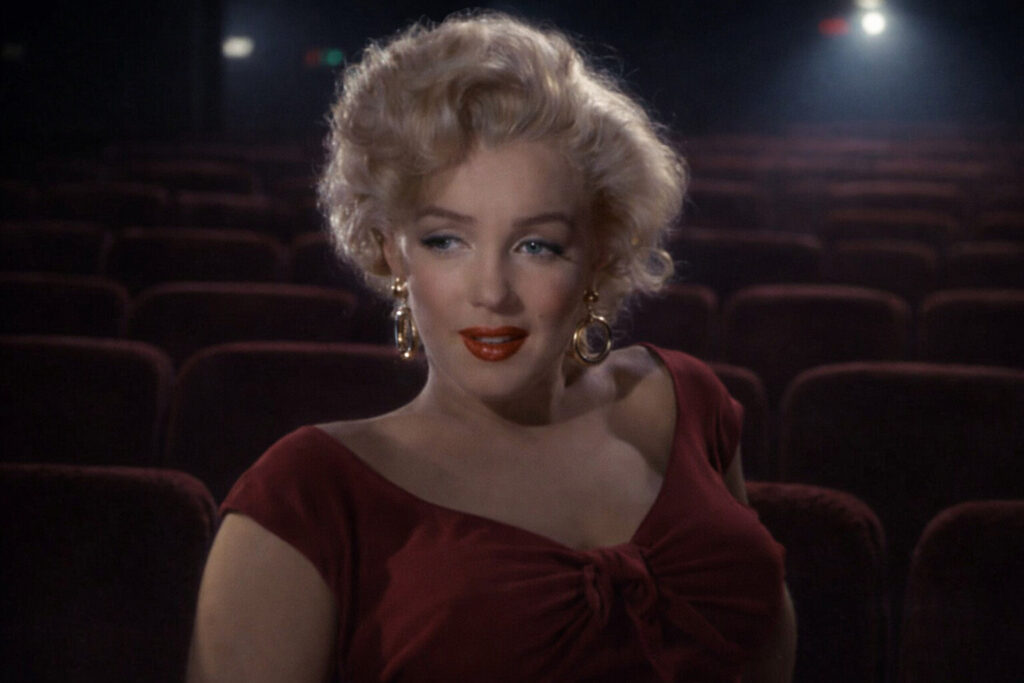
When viewing the film, you’ll notice that musical numbers aren’t completely staged or overdone, although they did become more common in later years. Instead, many of the song scenes, so-called filler for the final film product, were actually an insight into who each character really was and why they chose to do what they did; songs like “Temptation” give the audience a real feeling of the character’s heart and carry on even after the show is done. The film has a positive energy that reflects what the “California Dream”, as a false concept, was supposed to be before it became just another overused and clichéd phrase.
The Lasting Appeal
As a result, decades later we have continued to revere Going Hollywood, 1933, due to its timelessness; classic movie fans find it to be a reflection of an optimistic time in history both in terms of entertainment as well as human beings. The film is not imbued with the cynicism associated with many of the modern-day parodies about show business. Rather, it takes a very positive look at one’s strive towards becoming “someone.” For those who enjoy Bing Crosby’s singing or those who are captivated by the visual aspects of the early clean-cut sound era, Going Hollywood is a delightful excursion to an age where the only barrier between you and your dreams is whether or not you have a song in your heart!



Hi there,
I wanted to share an article that explains how MDMA-assisted therapy is being studied as a new way to help people process trauma and PTSD in a guided, clinical setting.
It breaks down how trauma gets “stuck” in the brain and how MDMA may reduce fear responses so people can revisit difficult memories more safely with professional support.
Your readers may find value in the clear, human explanation of why therapy guidance matters and why emotional integration is key to long-term healing.
The piece also highlights growing research interest, real-life recovery themes, and the importance of safety, education, and responsible conversations around mental health.
This makes it a helpful resource for audiences interested in psychology, trauma recovery, and emerging therapeutic approaches.
If you feel it fits your site, I’d love for you to consider adding (https://psychedelicplugonline.com/mdma-for-sale-online-usa-mdma-for-sale-online-usa/ ) as a reference or backlink for your readers.
Thanks so much for taking the time to review this—I truly appreciate your consideration.
Best regards,